
A critical reflection – by Dries Talloen
Bare feet on beer-drenched venue floors, harem pants and ponchos straight from the local
Nepalese store, incense that gives you an immediate headache, and white people with
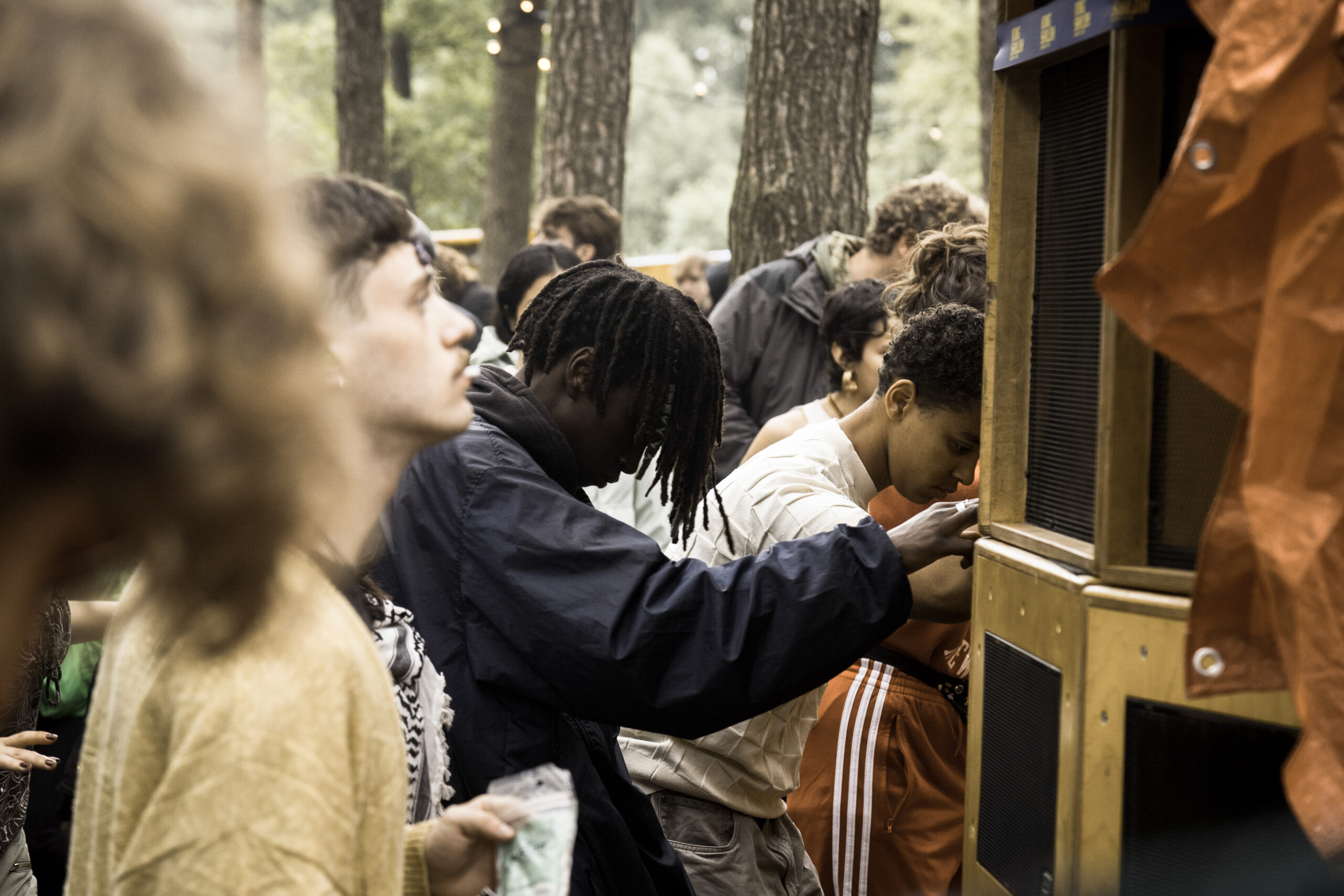
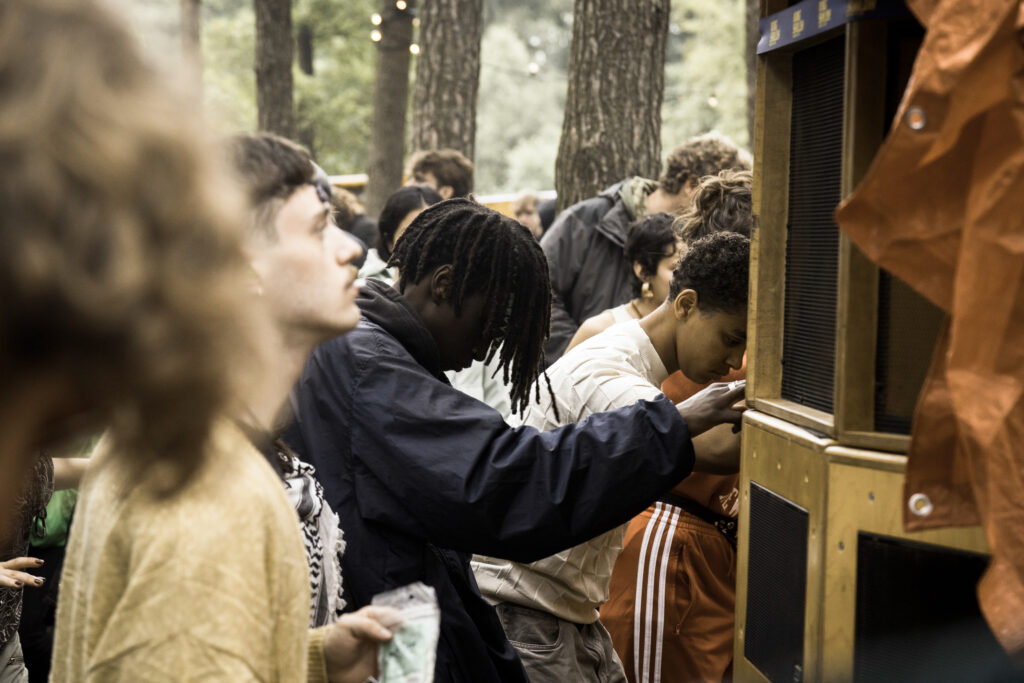
dreadlocks cluelessly burying their heads in a speaker box while throwing their dapostar
(yes, I had to Google it as well) into the air.
If you live in Europe and are into sound system culture or reggae music in general, a
combination of the examples above might seem very recognisable to you. They are a
product of cultural appropriation, rooted in the misconception that sound system culture is all
about peace and love. For over fifteen years, these examples (and many more) have made
me re-evaluate my vision and position in relation to the culture I love and am passionate
about, both as a soundman and as a music historian. Hence my appeal to put a stop to the
continuing hippiefication of European sound system culture.
Warning: this is going to be a long read that might trigger some people.
Rastafari aren’t hippies. At all.
I used to be just like them, as some readers might remember. Growing up in Belgium and
getting to know reggae music and sound system culture at the age of 14 in the early 2010s,
my role models were mostly white soundmen wearing long dreadlocks and praising Jah
Rastafari. As I made my first steps into the sound system world, it was a logical move to
grow dreadlocks myself and to start reading about Rastafari, as many of my generation did
at the time.
Mind you, I am not writing this article to judge white people wearing dreadlocks. Although the
original Rastas saw white men as inferior to black men and thus considered the Rastafari
movement a black movement, this radical vision is less present among modern-day Rastas
such as the Twelve Tribes of Israel, who allow white people to join the order, in which
wearing dreadlocks is optional.
Rastafari associate wearing long dreadlocks and not shaving their beards with the biblical
Nazarites. The locks symbolise freedom, natural African beauty, and rebellion against
Western values. Hippies also grow their hair as a form of rebellion, but as opposed to
Rastas, they experiment with ‘free love’ and psychedelic drugs. On top of that, the white
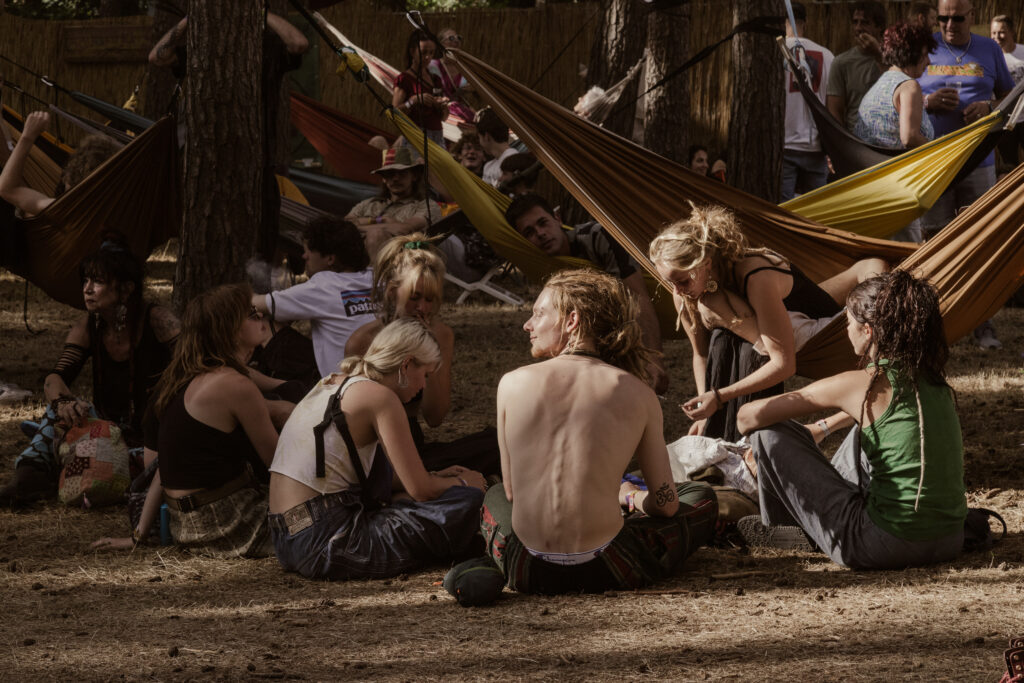
drum circles where people connect to their so-called ‘ancestral energy’ aren’t related to the
Nyabinghi. In my opinion, hippies were (and in their modern-day version still are) the first
cultural appropriators, as they blindly adopt elements from Native American, East Asian, and
Romani cultures, mainly for aesthetic reasons.
As my locks grew longer, I read more books and got to know more and more Jamaican
artists and soundmen, with whom I openly discussed this subject. At the same time, I was
constantly mistaken for a ‘modern-day hippie’ because of my dreadlocks. I wore my locks
with pride for over 7 years, but I felt less and less connected to them and finally became a
baldhead.
Once more, I am not judging white people who wear dreadlocks and/or identify as Rastafari,
as there is also a huge difference between those proudly wearing locks for ideological
reasons and fashion dreads adopting Rastafari and patois as a pose. But please let it be
clear that the path of the Rasta and that of the hippie are ideologically very different. Please
don’t make weed smoking your whole identity. And please, read a book.
Peace and love is an illusion
Sound system culture as we know it originated in the Southern United States in the 1940s,
but migrant workers quickly brought it to Jamaica and, of course, gave it an inventive twist,
as Jamaicans always do. At first, sound systems had a purely economic function, and as
soon as the entertainment element emerged, they became deeply rooted in Jamaican
culture. As Beth Lesser wrote:
“Sound system sessions were more than mere entertainment. They became the
life-sustaining cultural and economic centre of a community. Some sets were small affairs,
mainly used for weddings and private parties. Some were massive and played to large
crowds in established venues. Some played funk and others rockers. But even the tiniest
community had someone playing music for public consumption.”
There was a huge competitive element to these sessions, which led local ghetto rude boys
to join sound system crews and mash up rival equipment—and each other—with regular
casualties as a result. I could write a book on Jamaican rude boys and their political motives
for committing violent acts, but that is not the point here (also, Thibault Ehrengardt already
wrote a book on this). This rough character marked Jamaican sound system culture and did
not fade when the post-war period saw a huge migration of Jamaican workers to the United
Kingdom.
I got to know quite a few Jamaican people with an active sound system presence in London
and the UK in general. Each and every one of them grew up in a hostile environment, having
to fight against a society that did not want them and racist National Front supporters who
would kill them if they had the chance. To them, the sound system dance was a safe haven
and a means of making a living by competing to be the very best. Sound system culture was
a black thing, and we, European white people, have adopted it and turned it into a success
story, with festivals hosting didgeridoo-crafting workshops and white producers playing
techno-dub with Hindustani mantra samples as they hippity-hoppity behind the control tower
or in front of their smartphone camera. In Jamaica and the diaspora abroad, the sound
system is, although often tackled by the authorities, deeply rooted in musical and
leisure-related culture. In Europe, it’s a fairly recent subculture.
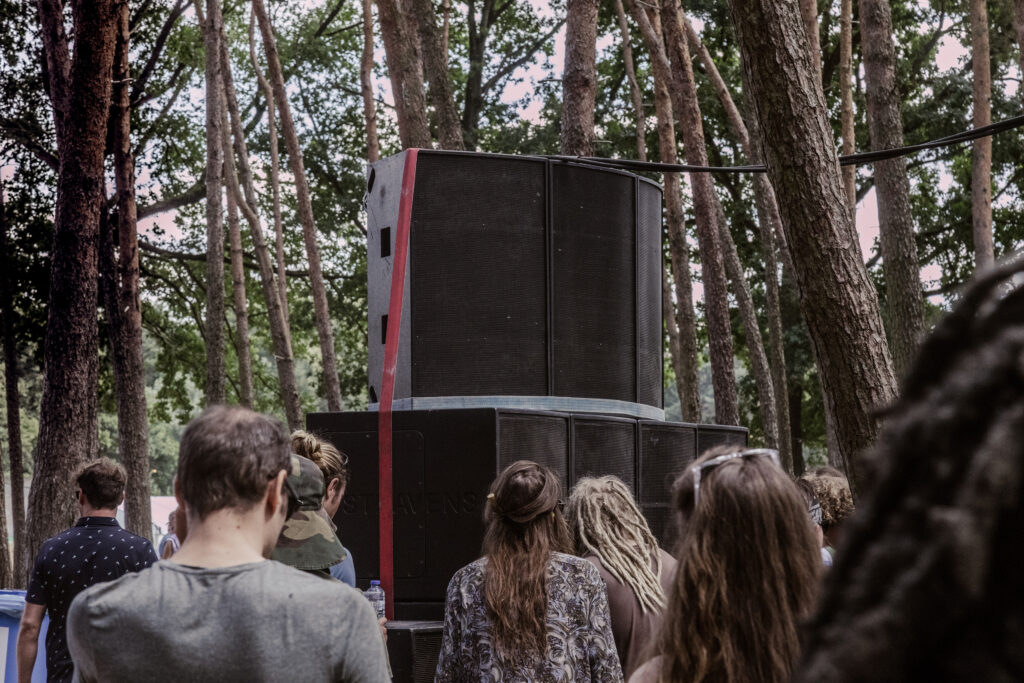
The sound clash, where two sounds compete to win by relying on musical, lyrical, and
technical talent, has always been an essential part of the culture. When two sounds play, it’s
a clash, not a tree-(or speaker-)hugging party. Nowadays, the sound clash has almost
become taboo in the European sound system scene because it doesn’t fit the false
peace-and-love ideology and is widely associated with dancehall and slackness. Well, sorry
to disappoint, but the dancehall has always been the place where reggae music flourished,
and the heavily competitive sound clash was, is, and will always be central to Jamaican
sound system culture.
Once again, don’t get me wrong, I’d also like to see world peace and a lot of us could do with
a little more love in our lives, but I’d like to make a point here that it’s highly important to
respect the foundation and the origins of the musical culture that we all love. If you run a
sound system, it’s important to make sure you know about the history of the music that
you’re playing and the culture that you’re representing. Nowadays, one can attend a
European sound system dance and see so-called feminists jump around to anti-abortion
tunes or songs with homophobic lyrics, played by selectors who are stuck in the illusion that
they are spreading a ‘positive message’ just because they play Jamaican music or a
watered-down version of said music they refer to as ‘dub’. At the same time, there’s loads of
selectors playing music with a clear message and loads of deejays writing and chatting
strong lyrics, while their crowd is not giving a single fuck about that and is only there to get
drunk or high, take off their shoes and socks and jump around with their heads buried in a
speaker box (and then the next day they‘ll wonder why their ears are ringing). Let’s be
honest, it’s a bit weird to deliberately go barefoot when the music you’re dancing to talks
about ghetto children being too poor to afford shoes, right?
I’m no cultural purist, but if we don’t want our beloved sound system culture to end up the
way house or techno did, we have to be aware that we are borrowing, adopting and
transforming black cultural elements; we have to be aware that we all live in countries with a
dark colonial past and an active neo-colonial present where foreign cultural activities and
traits are being monetised in a capitalist context.
The sound system has always been both a means of entertainment to some and a serious,
spiritual or vital occupation to others. Cultural transfers are always accompanied by cultural
changes, so in the past 80 years, sound system culture has naturally changed as well, but
let’s keep in mind that responsible entertainment in every way possible should be central.
