
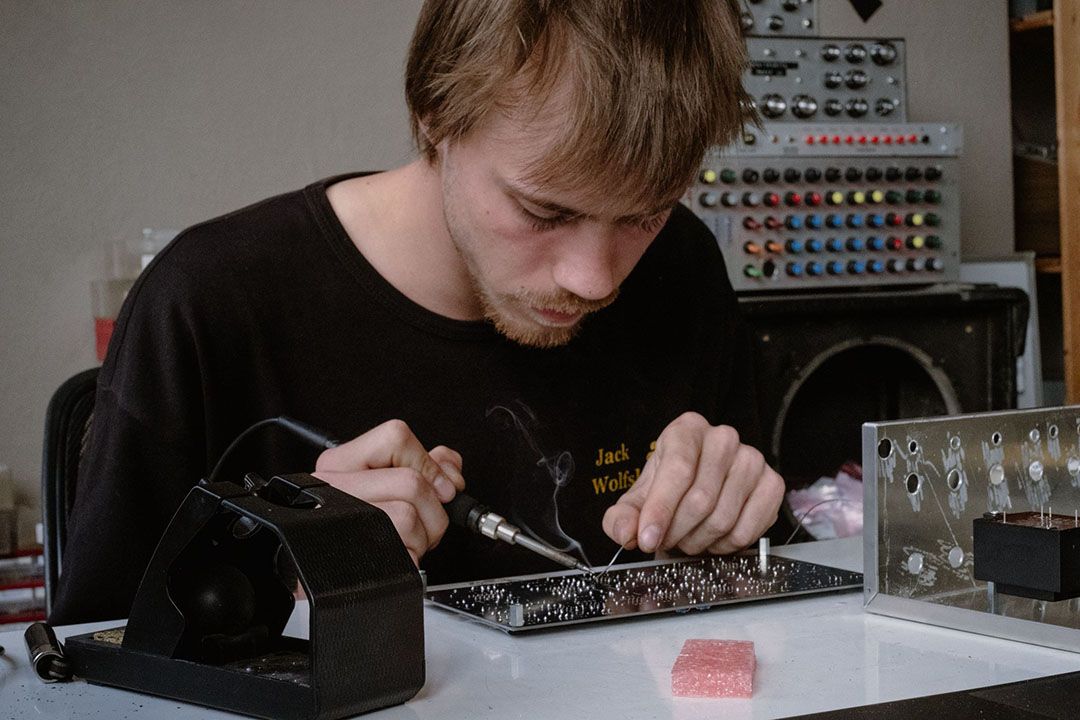
Who is War Dee?
I’m a young enthusiast of technology and music, specifically reggae and dub.
I’m an operator and technician for Redemption Soundsystem.
What is Sensitronics?
Sensitronics is my brainchild as a reggae soundman and gear builder. The name came a long way via my brother, Natty Dread from Sjamanic Soundsystem.
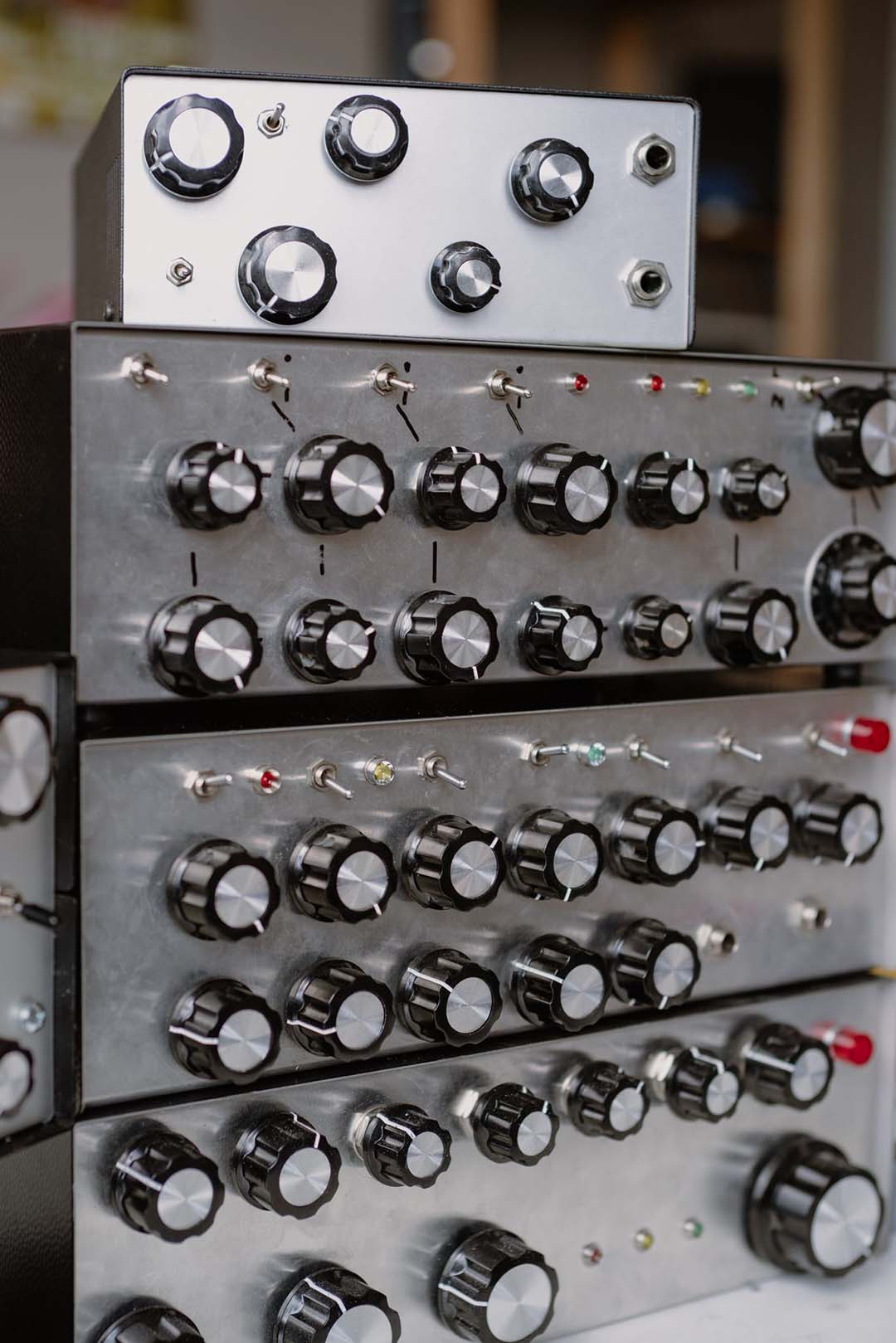
Under the Sensitronics name, I aim to build preamps, amps, and more. I’d love to bring back the old-school way where sounds ask their favorite builder to build their own unique sound, using custom gear rather than industry standards.
How would you describe your sound?
I’d like to make a distinction between “sound” and “soundsystem”.
Our soundsystem, Redemption, sounds very raw and aggressive—snappy and explosive. In this way, the listener hears the inner power behind the music.
But our “sound” refers to more than just the equipment. With the music we play, we hope to bring consciousness, biblical messages, and spirituality. The message of the music goes hand-in-hand with the way it should sound.
What do you focus on?
In terms of tone, it’s simple for me: loud hi-hats for the rhythm, clean and tight vocals, crisp snares and skanks. And of course a fat, compressed, aggressive baseline. To achieve this, Redemption Sounsystem uses valve amplifiers, combined with my preamps. In our opinion, they provide a lovely saturation that perfectly conveys the aggression and militancy of the music. It’s old and expensive technology, but it’s exactly what we’re looking for!
What makes your preamps different from other models on the market?
Just to be clear, I’m not in the preamp market and I don’t have a business. I do this for myself.
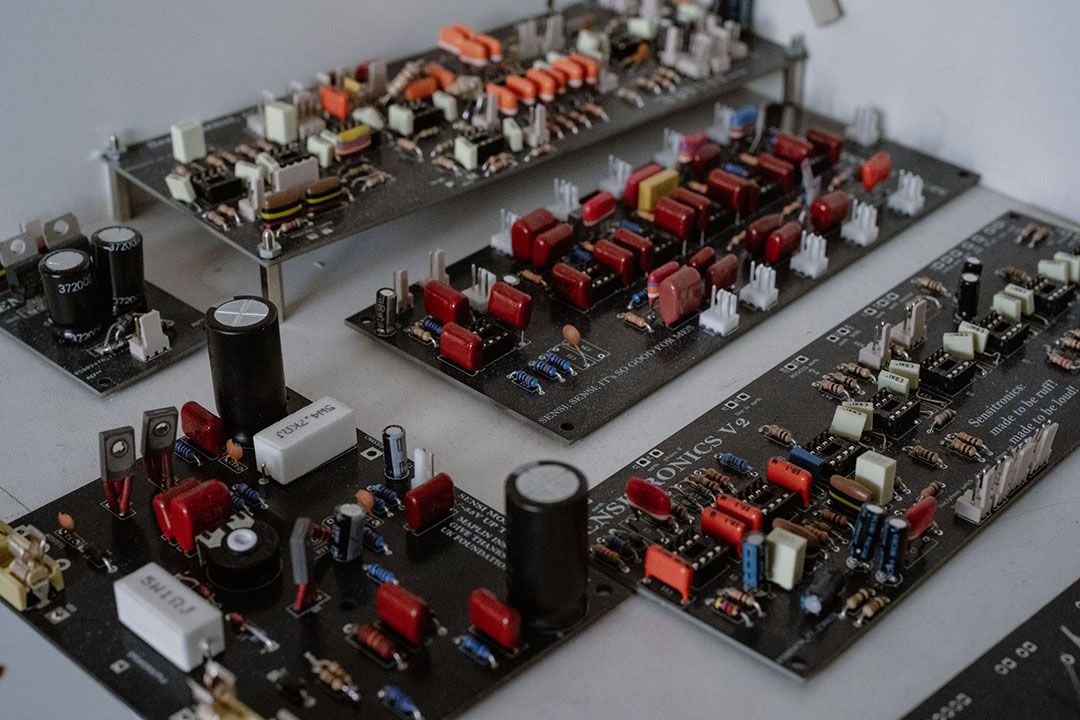
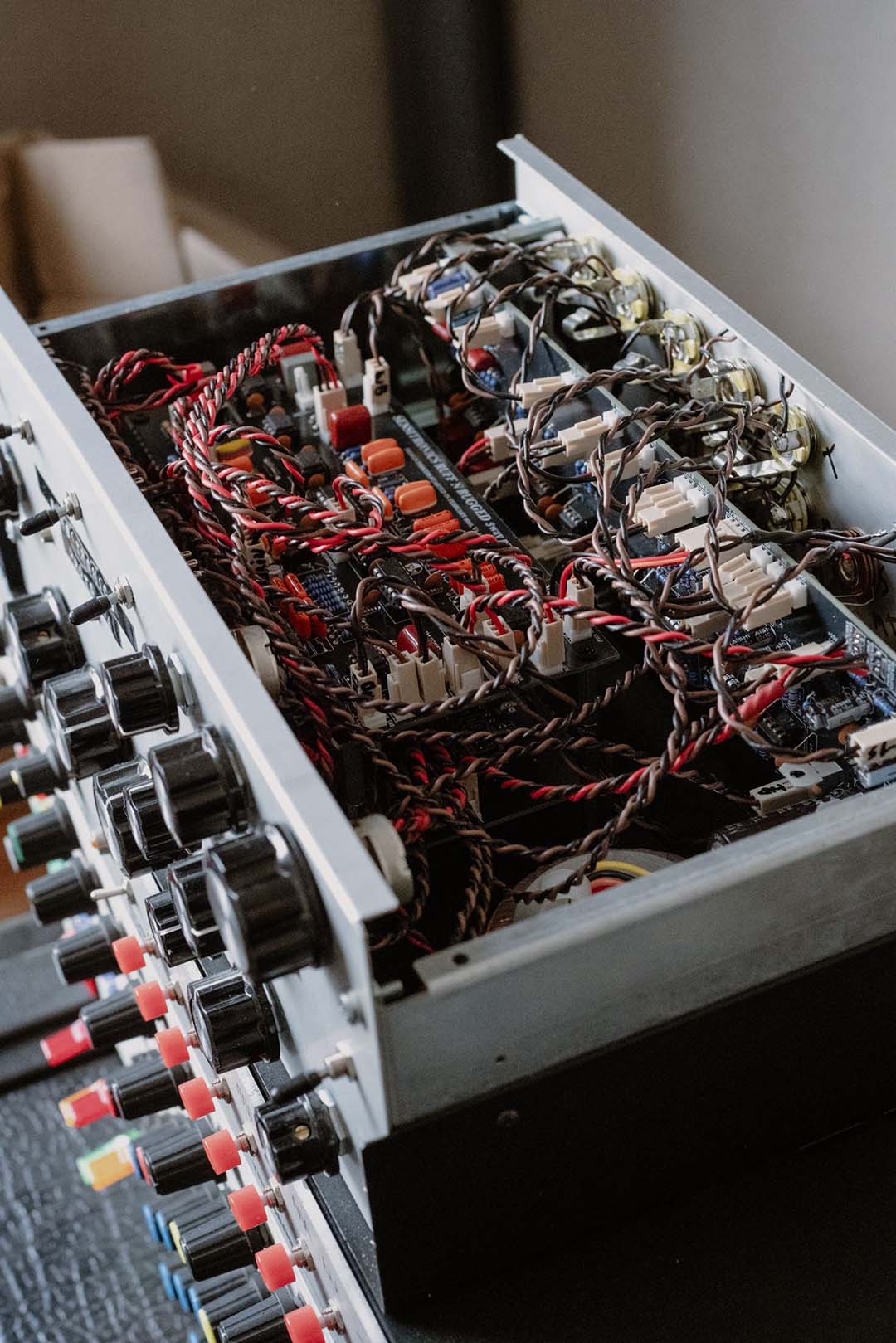
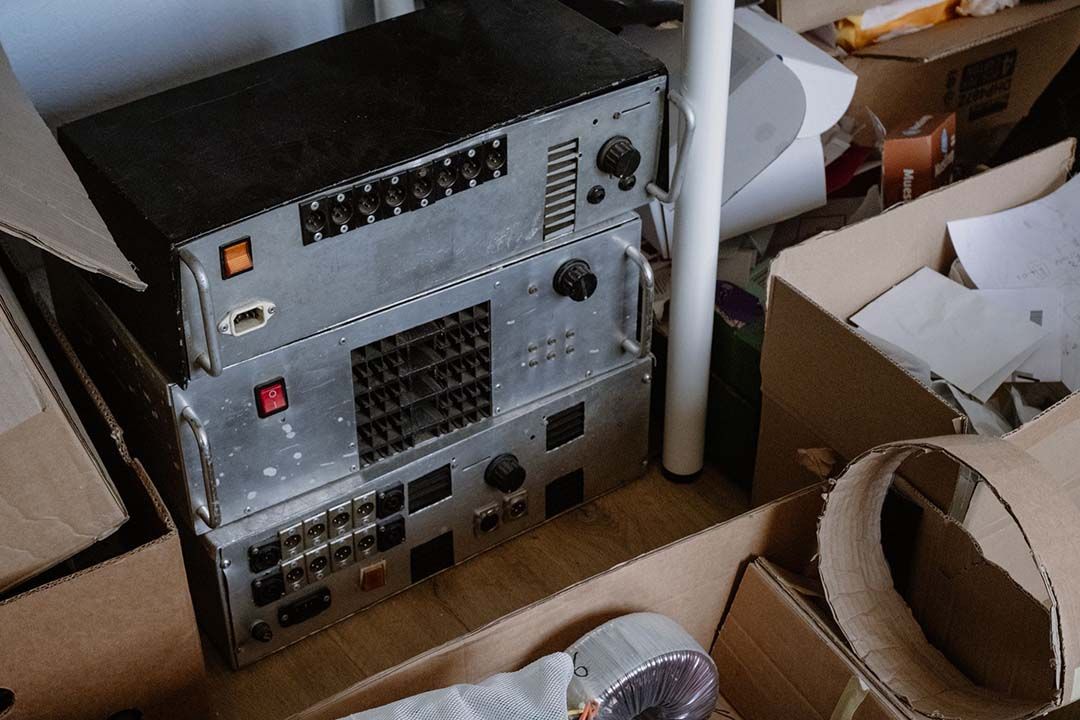
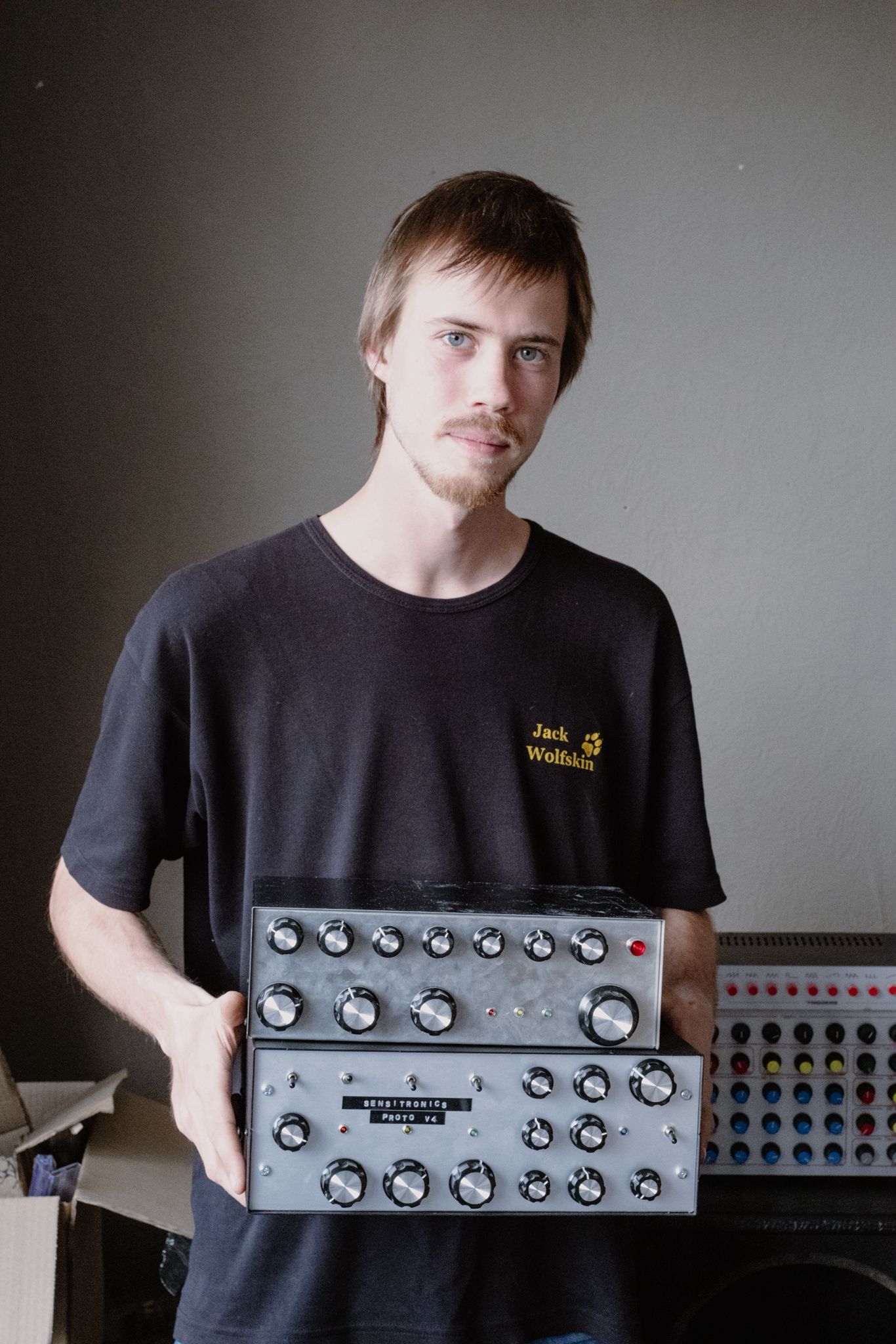
But I use vintage components, and I feel that my philosophy and ethos are closer to the old builders than the new ones. My preamps have a simple lay-out without too many bells and whistles. It does what it’s meant to do—nothing more, nothing less. I also distinguish myself by working with expansion modules, so a specific function or frequency can be added or removed.
My preamps are built to sound and play aggressively and old-school. The “feel” of the preamp is very important to me.
Why do you work with a 2-way system?
This is what works best for me: only the bass and mid-top really need to be split and processed in parallel. I make further adjustments to the music using variable filters and equalizers. This way, the music remains largely balanced while the preamp still offers a lot of control and the operator can emphasis the frequencies of choice.
What do those filters do?
They provide a unique tone and playability to the music. There is a massive emphasis on frequencies.
What does the building process look like?
I start from scratch and analyse what I want to achieve. Then I start with a block diagram; this is pure logic and visualizes the signal chain of the preamp I want to build. Next, I try to develop each block as well as possible. Once I have all the working blocks, I can join them together and test them on my breadboard (a reusable, solderless device used to prototype and test electronic circuits- ed.).
Once that’s done, it’s time for the circuit boards (PCB’s). I’ve done all sorts: stripboards, DIY acid etching, or digital PCB design. I ended up sticking with digital PCB design. It’s efficient, reliable, and looks good too. I was able to use the help of Nelo from Ruff Rakam Soundsystem (Rennes, FR) for this. He spent several evenings teaching me how to work with KiCad software over Skype. I’m very grateful for that, so big shoutout to Nelo!
Of course, a casing has to be made as well, which I cut out by hand. After that, it’s just assembly and testing.
What was the hardest part of the building process?
Dealing with the setbacks and continuing to believe I could do it, even though I haven’t had any training as an electrician. Also, I am a total technophobe- so designing circuit boards on a computer wasn’t exactly a given.
How do you test a preamp?
Just plug it into the sound and play. The first hour of testing is always spent searching for the right settings. But in the past, I’ve always realised quite quickly what needed to be better or different. It’s very important to have a critical ear and know what kind of sound you want to achieve.
How should a preamp feel?
For me, it has to be aggressive, articulate, and playable. You shouldn’t have to turn ten knobs when one will do. The preamp should get the operator into a “flow”—not thinking, but feeling. That’s how the music resonates best. Less is more!
What makes a soundsystem stand out?
Spiritual messages, social utility, activism, etc. It’s a lifestyle, and about so much more than just the gear.
How will the dub scene evolve?
The dub scene keeps growing expansively, which naturally brings both good and bad. The saturation of sounds in Belgium is unusual, and that brings problems like date clashes. Also, there are too few low-threshold venues in Belgium that support the youth involved in reggae and, more importantly, the message behind reggae.
What is your dream project for the future?
To have built and modded the entire Redemption control tower myself. Also, a studio mixer of my design for Tenement Studio.
Analogue or Digital?
Definitely analogue!
One tune to test the preamp?
Tenement Production! Ruff ‘n’ rugged!
Interview & pictures: Doryan Rosario