
I recently wrote an article about what I call the ‘hippiefication’ of European sound system culture. The main goal of this article was to open a discussion, to spark a critical perspective amongst reggae and sound system lovers and to share my point of view on this matter. I received a lot of online comments and messages by reggae folk young and old, from all over the globe, both praising and heavily criticising my article. Reflecting on the reactions, I realise my dry humour and cynicism didn’t translate as intended. My tone ended up overshadowing the core message. My aim was not to offend people or ban people from the dance hall, nor am I in a position to decide what is real or not.
It felt appropriate to write a follow-up article to address some of the points made and to elaborate on related topics. Just like the previous piece, this is an article based on opinions and my observations as an individual, grounded in experience and historical research, not based on any sense of superiority. Each paragraph aims to bundle a number of remarks from both my side and yours, referring to and thinking about the past, present and future of European reggae sound system culture. Enjoy the ride.
Cultural and generational transfers bring change
I am well aware that cultural transfers bring change, as mentioned in the conclusion of my previous article.
A cultural transfer usually works as follows: a certain cultural element is brought to a new destination by people who are oftentimes part of a cultural and ethnic diaspora and are travelling. These travels can be both involuntarily (e.g. the Transatlantic Slave Trade where enslaved Africans were forcibly transported to the American continent) and voluntarily (e.g. mid-20th-century migrant workers travelling from the Caribbean to the United Kingdom to help rebuild the country after the war). Note: the voluntary character can be questioned here, since the propaganda by the mother country that convinced people to travel contained a lot of untruths. Same goes for people who migrate due to harsh living conditions, which makes their migration semi-voluntary.
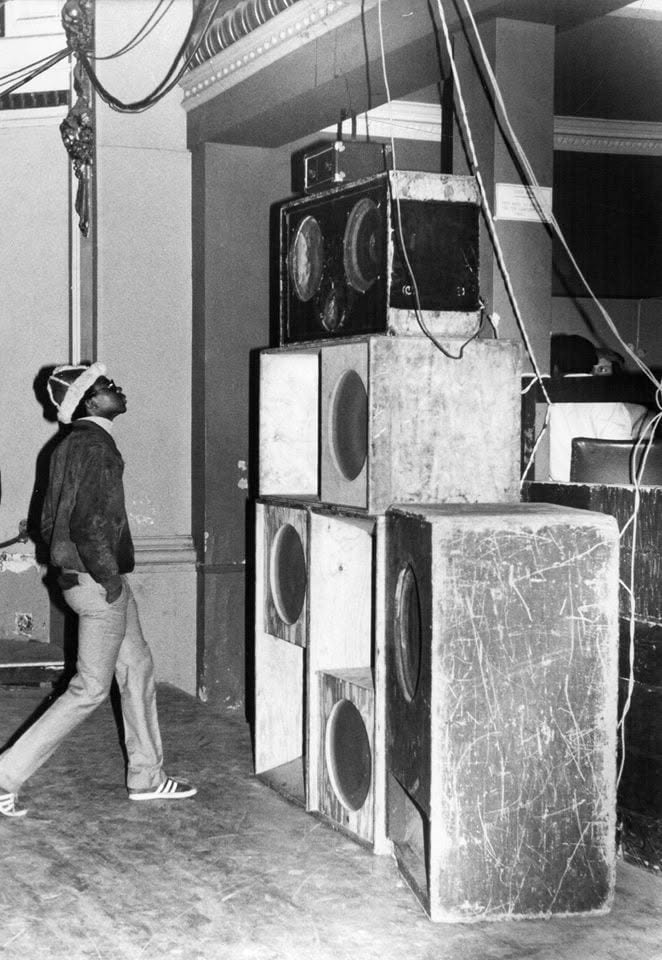
In the cultural transfer of sound system (sub-)culture, it’s only logical that certain central elements are preserved and adapted, while others are transformed or added throughout the cultural transfer and the timeframe over which it extends. 1990s sound system culture in Jamaica was not the same as it was in the United Kingdom and the European variant was different from both of the preceding ones. Same goes for sound system culture in Europe in the 1990s and in 2026. People change, music genres change and so do (sub-)cultures. I think you get the point by now.
That being said, I’d like to clarify my viewpoint. There’s something in reggae music for everyone: some people react to the music’s energy, some people are caught by the lyrics that make them think. I believe there’s real value in taking the time to truly understand the history and context of the music we love to play. This again, is especially important if you live in a country with a dark colonial past and a contemporary society driven by the need to reduce culture and art into consumer goods instead of critical means of expression. Why? Because, even though cultural transfers bring change, it is important to preserve the essence of the culture you are transferring, claiming and imitating. As Habibi Funk label owner and DJ Jannis Stürtz recently stated in an interview: if you are moving in cultural spaces that, in various ways, are not yours, it puts you in a particular position that brings a certain responsibility to navigate accordingly. Stürtz made this statement to emphasize he is not intending to blow up his own importance as a label owner releasing music from what in the West is referred to as ‘the Arab World’.
The quote above can be perfectly linked to our position as Europeans in sound system culture. This is where the ‘hippiefication’ (one could also dub it ‘hipsterfication’) comes into play as a form of commercialization in a hyper-globalised world and cultural appropriation with a lack of substance and self-criticism. In my humble opinion, Black music and its creators deserve better than simple consumption and appropriation. This does not imply that navigating through a cultural space is a learning process in itself, nor do I allude to the refusal of individuals based on their level of knowledge. I do try to make another appeal for cultural awareness as a consumer and practitioner within this cultural space that is sound system (sub-)culture. No need to become a reggae nerd like me (although highly recommended; it’s mad fun).
The almighty cloak of peace and love
Speaking of criticism, we have to address the fact that our European reggae and sound system scene is very sensitive to a critical perspective on what we are and have been doing.
We all have things we don’t like – so do I. For example, I admit I don’t like the fact people automatically stereotype me as a weed smoker, simply because I listen to reggae. I also despise the fact that you can’t organise an open-air dance nowadays without having to deal with short-sighted neighbours, fascist cops and even fines for breaking the unreasonable sound limit, while commercial festivals and concerts can blast all through the night, having to deal with less of the above. So I myself am also sensitive to certain forms of criticism, but if there’s no room for a critical view and a well-founded dialogue, there’s no room for (self-)improvement.
Now here’s what in my humble opinion is a worrying trait inherent to the European sound system culture. As soon as someone (yes, I’m talking about my previous article, but once you see the trait, it’s everywhere) writes or speaks up about cultural characteristics they disagree with, they are called out by some as being intolerant and not in line with the generally accepted and revered philosophy of peace and love. “That’s not irie, bro. Live and let live…”
I regret it and I’d love to see it otherwise, but even though it’s a nice ideal to strive for, true peace and love is mostly an illusion, both in society and in sound system culture. There are of course exceptions to the rule and there’s a difference between living a life based on these values and operating a sound system based on these values, but even the sounds that wave the biggest possible banner of peace and love want to play the loudest when they string up with another sound; and they will even push this urge to unfriendly (decibel) levels. Also, many love gurus will speak ill of those they do not respect within this music scene. Boy, I could tell stories about this matter… Jealousy is a nasty bug. Given the amount of not-so-friendly gossip, you might say the clash mentality is very much alive behind the facade.
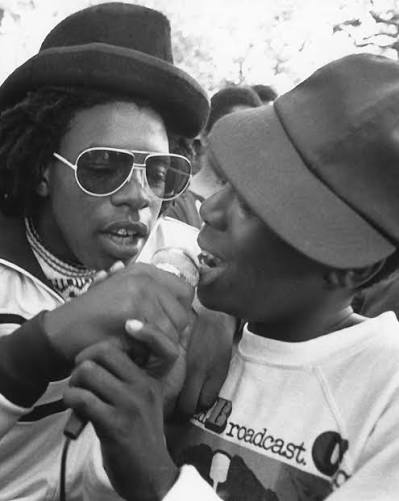
Photographer unknown.
This does not mean that we all openly hate each other and live a life rooted in hate, not at all. I still see respect (and to a certain extent, peace and love) as a big foundation and a necessity for keeping our (sub-)culture alive, but we might as well accept the reality, admit our shortcomings and take responsibility for our actions instead of hiding behind a cloak of peace and love as soon as we feel threatened or criticised in some way. When promoting a musical message that is often all about social criticism, self-criticism is crucial. Otherwise, we, our sound systems and our ideology will dissolve into superficiality. I can’t imagine owning a sound system while claiming not to be political or critical of society in any way.
As Gadfrey Lewis sings in ‘Let the Message Play’: “All over the world, you can hear the people singing. All over the world, you can see the people dancing. But do they ever realize what they’re singing and dancing about?”
And before you ask, yes, you can still do all of this while acting in unity as members of a subculture. The music we all love evolved and improved because it was often driven by competition. Do I want us all to go back to a time when crews brought knives to the dance and intentionally damaged equipment? Not at all. But what’s wrong with the idea that a friendly sound clash now and then could lead to overall higher quality?
Blame the selector, not the crowd
According to many, the responsibility of the selector or selectress is to educate their crowd. But what makes our contemporary selectors in this context incapable of educating, then? Well, since the global pandemic in 2020/21, sound systems have been sprouting like crazy. In Belgium, every small city has multiple sounds and nearly not enough venues to play in. The same can be said for several European countries. And this brings back the previously mentioned hostility between sounds, fighting over venues, for example.
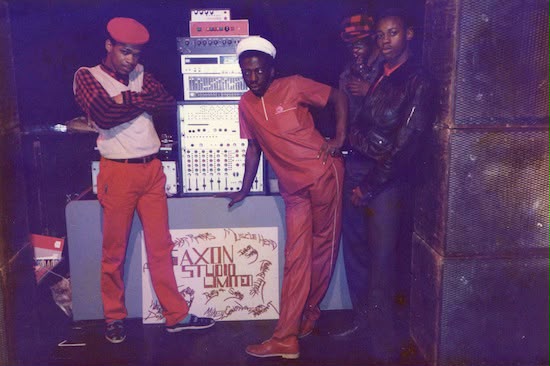
Besides the oversaturation, there is no real learning experience for contemporary sound systems. Traditionally, the sound system journey started as a boxman or -woman for an established sound, lifting boxes and maybe wiring up speakers. This was followed by a chance to play a warm-up selection or grab the mic with said established system. Every single veteran Jamaican or UK sound owner walked a path that more or less looked like this.
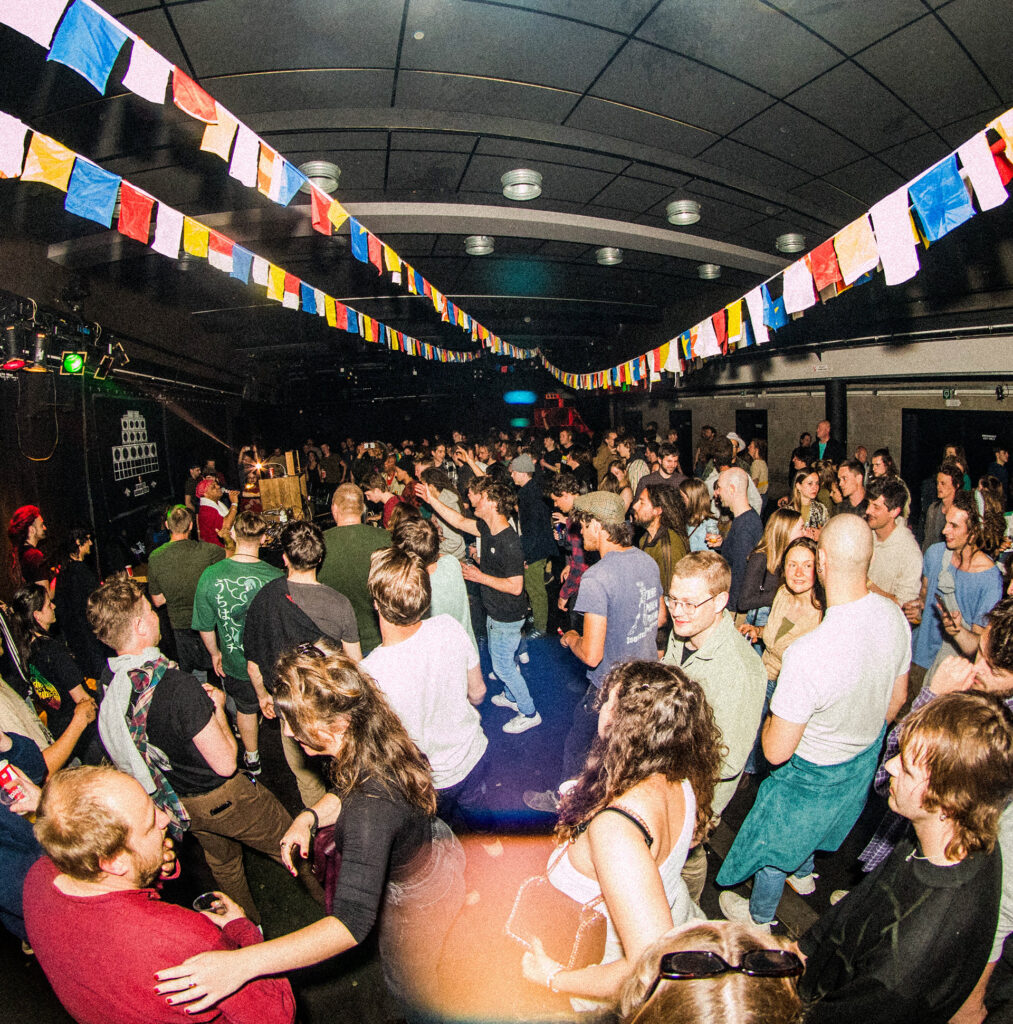
As cultural transfers bring change and a lot of European countries have no or maybe a very small Jamaican diaspora, the European sound system journey might have looked a little different. When we started our journey, we made sure we invested every penny we could spare into buying records. In addition, we sought opportunities to play these records, first at private parties, later at small sound system dances which we organised ourselves. At these dances, we would book a guest sound, help out, observe and slowly learn how to run a proper sound system. It was only after organising a number of these dances, expanding our record collection and feeling a little experienced that we started building our sound through trial and error.
Nowadays, social media plays a big role in this process, and I’m not sure it’s for the better. Young enthusiasts don’t even need to attend a dance to get inspired. They can just watch some YouTube videos or Instagram reels and they decide to start building their sound and imitate the late great Jah Shaka. Just as the attention spans are getting shorter, so is the sound system journey being rushed. I see young selectors vlogging their sound system journey while their one and only record crate contains only a handful of records and they’ve never played nor promoted a dance. Should we then wonder why they are lacking the experience to take up their place as educators if building a sound system in Europe is the new car tuning? We are evolving from working class sound systems gathering and sometimes even stealing old plywood and gear, to lower middle class sound systems having to work in order to be able to play, to eventually higher middle class sound systems ordering a ready-made system.
Let this not be seen as another judgement or generalisation, but as a call to every new selector and selectress to take time. Designing, buying, building and running a sound system takes time. Mastering the craft takes even more time and the learning process is never-ending.
Sound systems as a trend
Those who have more or less mastered the craft will testify that once you have played some big festivals with your sound system, you have made quite a name for yourself. Lately, a lot of European mainstream festivals seem to have discovered the success of sound system culture, which leads to many of them hosting a ‘dub corner’ of some sort, an idea they copied from the hardcore reggae festivals who have been paving the way for many years and keep on providing original and varied line-ups, for which they have my utmost respect.
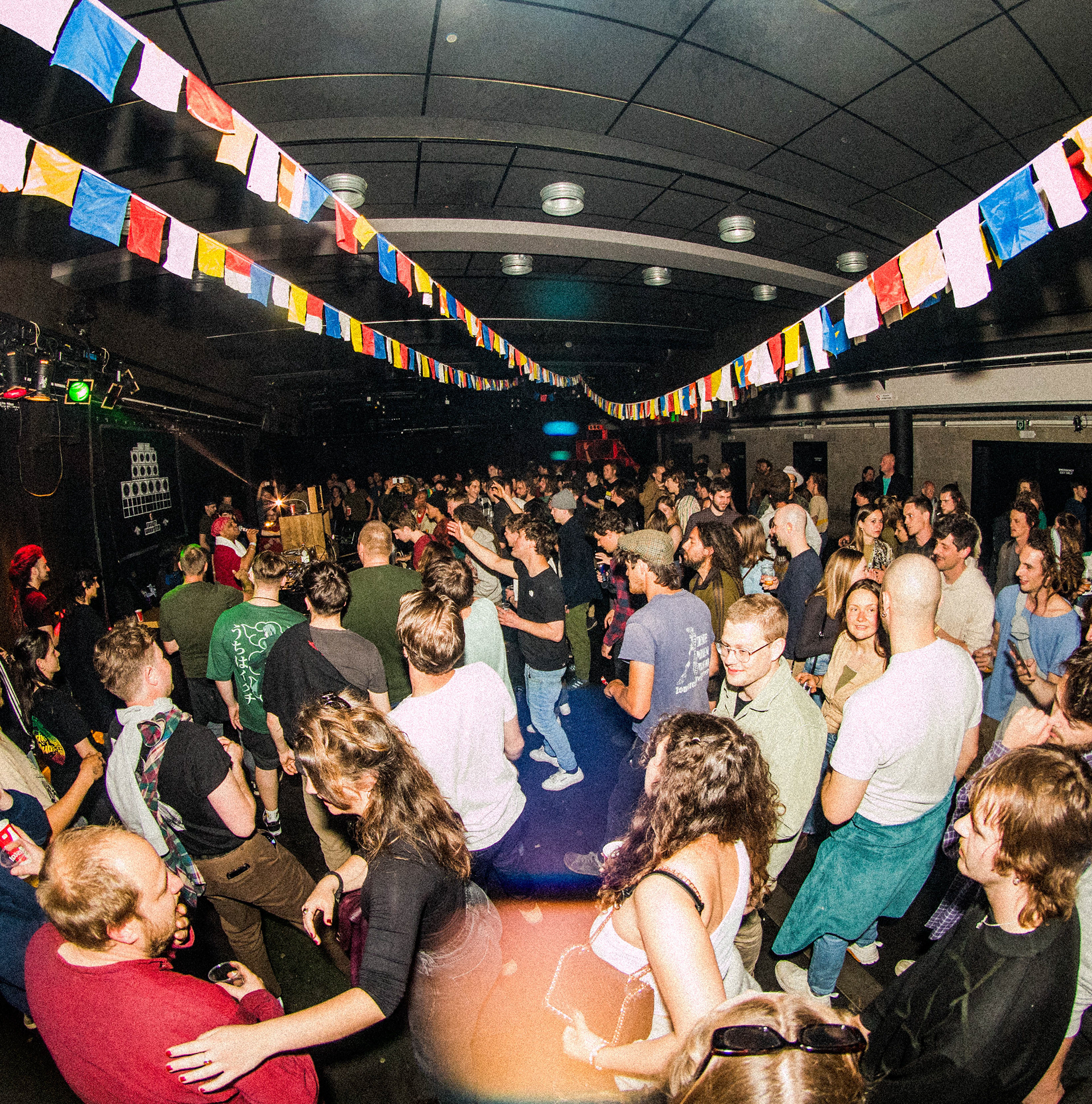
The growth and appreciation of sound system culture is in this aspect mainly a positive thing, as it is a stepping stone to breaking stereotypes and building an appreciative audience outside the subculture’s boundaries. The question, however, is whether this festival feature is a respectful nod to the sound system veterans of old, or another revenue model that contributes to the commercialization of the subculture. The fact that line-ups lack originality and the stages are decorated with palm trees and traditional prayer flags, and promoted as being “tropical” and “all about good vibrations” seemingly points to the latter.
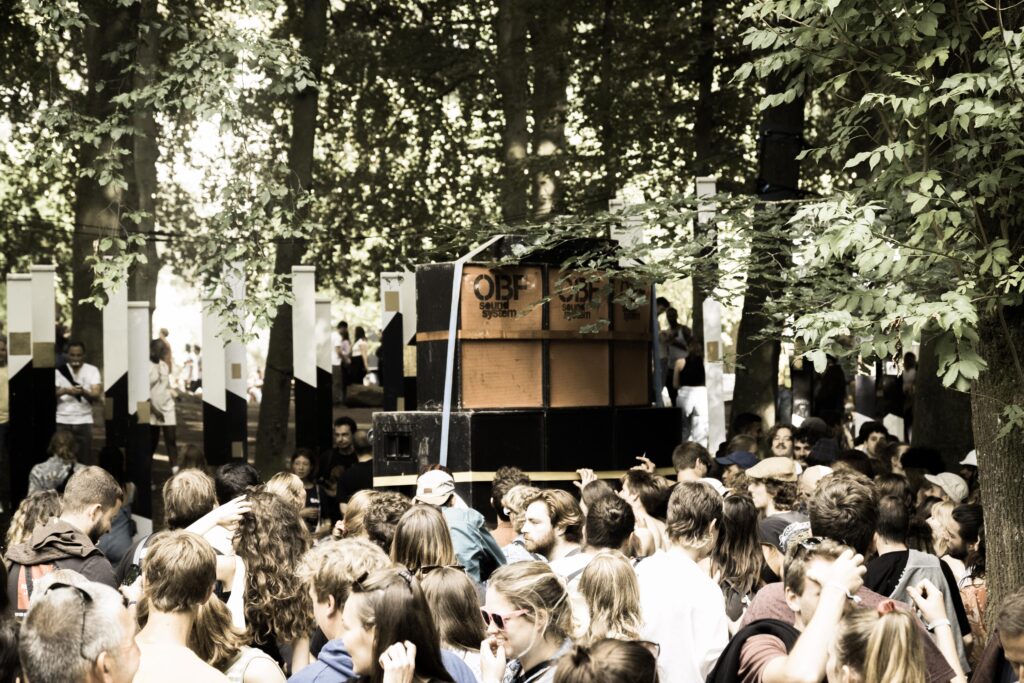
The dub corner line-ups usually consist of a select number of big artists or sounds combined with artists that do not necessarily get booked for their musical talent or collection, but because the videos in which they dance in front of a camera in their bedroom studio go viral. On warm-up duty and during daytime DJ slots, we find local artists and sound crews. This booking strategy often gives the impression that mainstream festival programming prioritises viral appeal over deep-rooted connection to the culture.
Now, why am I writing this? To point out that dub corners with settings and line-ups like the above might create misconceptions and false precedents about what reggae sound system culture stands for and about the values we all try to uphold, which then again might lead to this heavily debated ‘hippiefication’ process. To me, it’s not about being puritanical or about going to a festival and hearing strictly Jamaican roots reggae tunes. I mean, I release contemporary European reggae and dub music that has been subject to experiment and evolution on my label and I fully support what these artists do. But if you’re a big festival promoter jumping on the popularity bandwagon and promoting music that’s closer to techno, drum and bass and dubstep than it is to reggae as being ‘dub’ because it earns you money, I’d rather see you host a ‘bass music’ stage. What’s in a name, eh?
European reggae sound system culture is evolving and growing faster than ever and there will always be much to say and write about it. I’d like to end this opinion piece with an appeal to see sound system culture and everything that comes with it as a culture of responsible entertainment, one of my core values in this business. Entertainment is key and the responsible part is not about judging what or who is perceived as good or bad, but about striving for a respectful safe space in a troubled world where people of all ages, genders and backgrounds can enjoy themselves, but also appreciate music in conscious and meaningful way; an environment where respect is central, where we look after one another, where friendly competition is allowed to thrive and where it is encouraged to be critical of society, the subculture and ourselves.
DT signing off.